All content

Tag: RBfracture

RBfracture v2.1 demonstrated a higher AUC than BoneView overall (0.84 vs. 0.83 in Group 1 and 0.65 vs. 0.62 in Group 2) and notably higher specificity (97.9% vs. 85.1%), helping to reduce unnecessary follow-ups. BoneView, however, demonstrated higher sensitivity (81.2% vs. 70%), lowering the risk of missed findings. AI support overall boosted diagnostic confidence among non-specialist radiologists in complex cases.
Following the BS 30440-aligned evaluation, RBfracture™ demonstrated superior performance, achieving 97% accuracy, 93% sensitivity, and 98.8% specificity compared with the other AI solution tested.
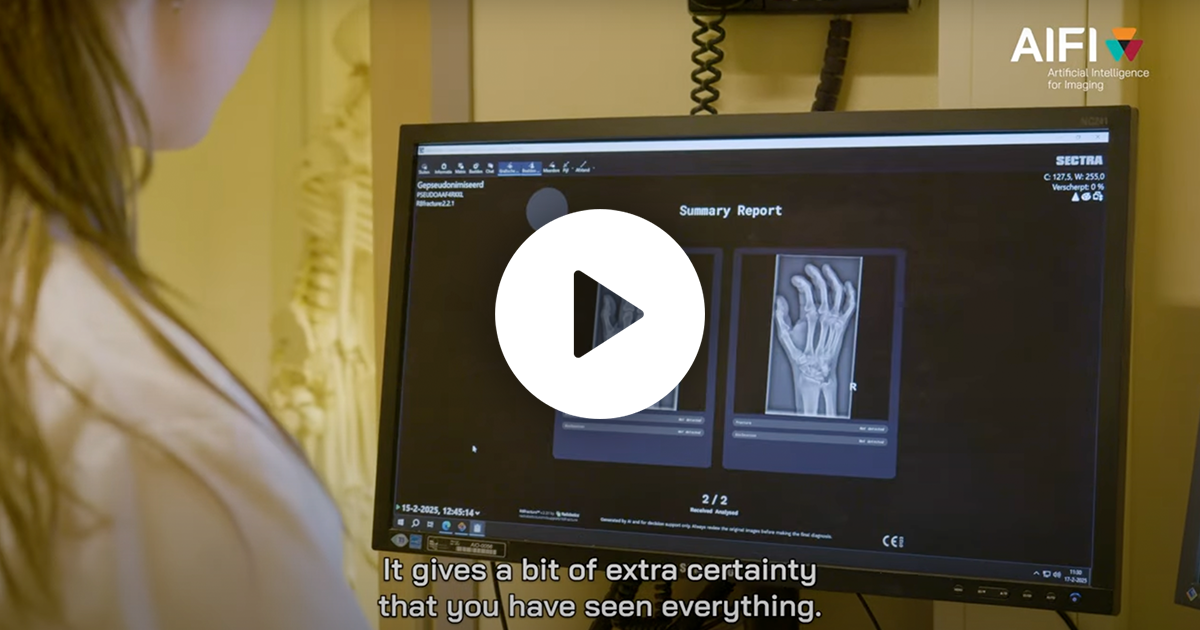
AI solutions in healthcare only become truly valuable when they do what they’re meant to do: Support, accelerate, and relieve — without compromising on safety or reliability. That’s exactly why AIFI – AI for Imaging – was launched.
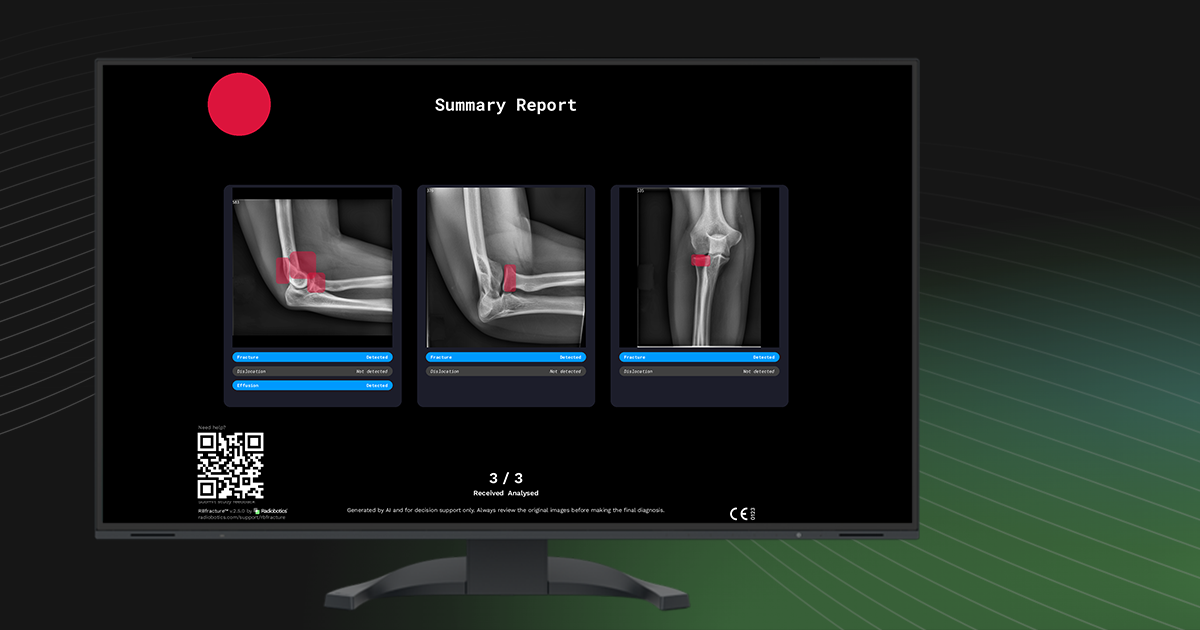
RBfracture version 2.5 introduces two new features designed to enhance transparency, usability, and collaboration with clinicians.
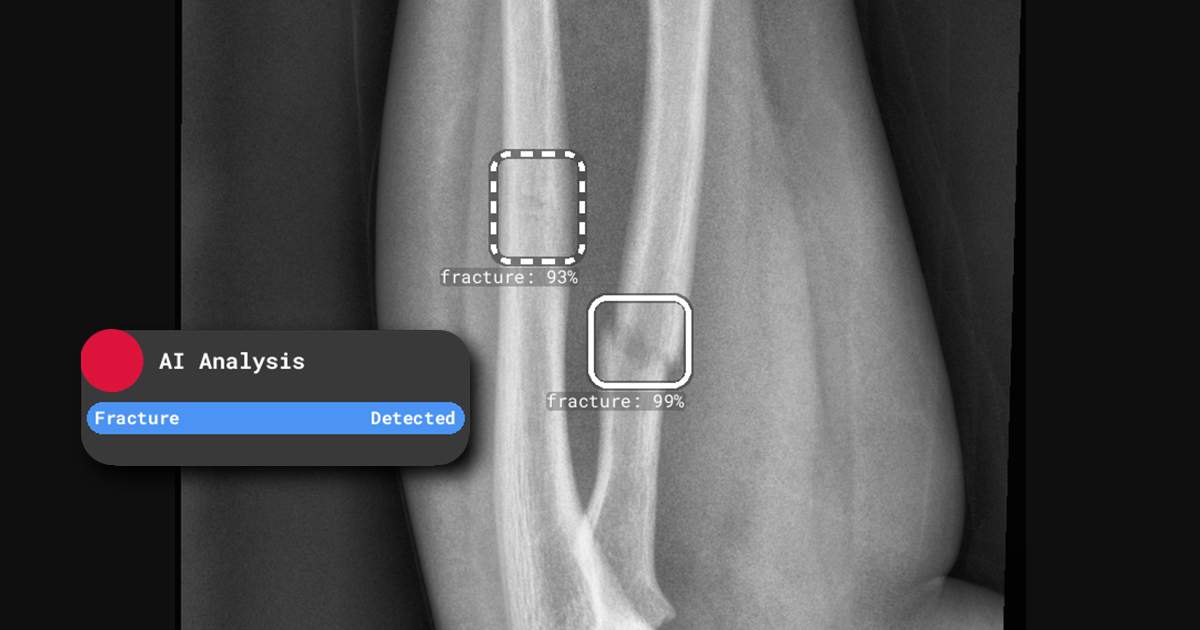
To support clinicians in navigating challenging cases, RBfracture™ v2.5 introduces confidence scoring for each detected finding.
Now each Summary Report generated by RBfracture™ includes a QR code for users to quickly and easily submit study feedback.
RBfracture v1.5 has the potential to significantly reduce recalls and improve efficiency in the Emergency Department. RBfracture exhibited a high specificity of 95.5% and a PPV of 93.8%. The study further showed that the solution could reduce recalls due to discrepant radiograph findings by up to 75%, and cut discrepant cases in the ED by as much as 73.7%.
This study found no statistically significant differences in sensitivity or specificity between RBfracture v2.2 and Gleamer’s BoneView across the included MSK regions. RBfracture demonstrated strong performance, with a sensitivity of 87.2%, specificity of 89.2%, a positive predictive value of 85.1%, a negative predictive value of 90.8%, and an overall accuracy of 88.4%.
RBfracture v1.8 achieved a sensitivity of 92%, specificity of 83%, and overall accuracy of 87%. When supported by RBfracture, radiology residents improved across all metrics—sensitivity increased from 84% to 87%, specificity from 91% to 92%, and diagnostic accuracy from 88% to 90%. The algorithm performed consistently well in children under and over the age of five, with no significant drop in performance.

Clinical risk guiding automation: Radiobotics is not just building AI, they're building trust. How Radiobotics trained, deployed, and validated globally.

Entering your information does not subscribe you to marketing emails from Radiobotics; it just makes it easier for us to get in touch with you. You can always read our privacy policy.

Contact Radiobotics

Got a question?

Complete the form and someone will get back to you shortly. Or find department emails at our contact us page.

Entering your information does not subscribe you to marketing emails from Radiobotics; it just makes it easier for us to get in touch with you. You can always read our privacy policy.